
What is dry eye?
Orange Beach, AL
Dry eye can be challenging to deal with, but you don’t have to face it alone. Dr. Wilder and the rest of the team are committed to helping you overcome dry eye symptoms, such as blurry vision, watery eyes, and irritation caused by inflammation.
Our technology plays a big role in our dry eye treatment services. Through OptiLight by Lumenis and detailed dry eye exams, we provide a full scope dry eye care experience.
Our team is always looking to evolve and find new ways to help our patients through advancements in dry eye care. Contact us to schedule an appointment and get relief from dry eye today.
What is dry eye?
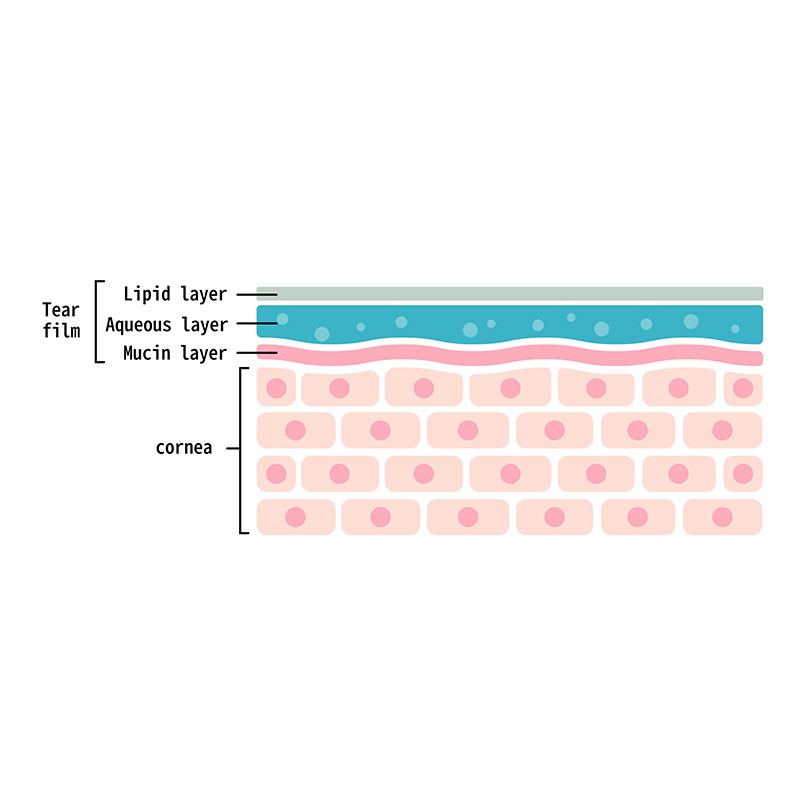
Dry eye is a condition that can be caused by inconsistencies in your tear film, which consists of three layers:
- The oily outer layer
- The watery middle layer
- The inner mucus layer
When the glands that produce these elements of your tears are not functioning properly or become inflamed, dry eye can occur. Inflammation and other dry eye symptoms can also result from meibomian gland dysfunction (MGD).
Understanding dry eye
While the term “dry eye syndrome” covers symptoms such as dryness, watering, grittiness, and vision changes, “ocular surface disease” is a broader term that encompasses the most common factors that contribute to these symptoms.
Ocular surface disease refers to a range of issues that can affect the front surface of the eye, the eyelids, and the underlying oil and tear glands. Inflammation is one of the leading causes of dry eye symptoms and can manifest in several forms, including:
- Blepharitis
- Ocular rosacea
- Demodex
- Meibomian gland dysfunction

What causes dry eye?
Dry eye is considered a multifactorial disease, meaning it can be caused by a variety of factors that affect the tear film and ocular surface. Understanding these factors is crucial for finding the right treatment and relief.

Meibomian gland dysfunction
The meibomian glands in your eyelids produce the oily layer of your tears that keeps them from evaporating too fast. If these glands get blocked or don’t work properly, it leads to MGD. MGD is a leading cause of dry eye because it makes your tears evaporate more quickly, leaving your eyes dry and irritated.

Blepharitis
Blepharitis is when the edges of your eyelids become inflamed, often because the tiny oil glands near your eyelashes get clogged. This can make your eyelids red, swollen, and itchy and can contribute to dry eye by disrupting your tear film. Managing blepharitis is key to reducing dry eye symptoms.

Demodex mites
Demodex mites are tiny critters that live on our skin, including around our eyelashes. If there are too many of them, they can cause inflammation and irritation around the eyes, which can lead to dry eye. Keeping your eyelids clean and using specific treatments (such as our ZEST treatment) can help keep Demodex mites in check.

Cosmetics
Certain eye makeup products, like eyeliner or mascara, can play a role in causing dry eye. They can block the oil glands or irritate your eyes if they get inside. Some makeup removers can also strip away the natural oils your eyes need. Choosing gentle, hypoallergenic makeup can help prevent dry eye.

Certain medical conditions
Health conditions like diabetes, rheumatoid arthritis, Sjögren’s syndrome, and thyroid issues can affect how well your eyes produce tears, leading to dry eye. These conditions can either reduce the number of tears you make or change their quality, causing dryness and irritation.

Digital eye strain
Spending long hours on digital devices like computers, smartphones, and tablets can lead to digital eye strain, also known as “computer vision syndrome.” When we look at screens, we tend to blink less often, which reduces tear production and makes our eyes feel dry. Taking regular breaks and adjusting your screen settings can help ease these symptoms.

Environmental factors
Environmental factors like wind, smoke, dry air, and sun exposure can worsen dry eye symptoms. They can cause tears to evaporate more quickly and irritate your eyes, especially if you’re already prone to dryness. Using a humidifier, wearing sunglasses, and avoiding direct exposure to air conditioning or heating can help protect your eyes.

Medications
Some medications, such as antihistamines, antidepressants, diuretics, and certain blood pressure drugs, can reduce tear production and contribute to dry eye. If you think your medication might be affecting your eyes, talk to your doctor about possible alternatives or solutions.

Ocular rosacea
Ocular rosacea affects the skin around your eyes, causing redness, swelling, and discomfort. It often leads to inflammation of the eyelids and can affect the meibomian glands, causing dry eye symptoms. Treating ocular rosacea can help improve both your skin and eye comfort.
Types of dry eye
Dry eye can generally be classified into two main types, aqueous-deficient and evaporative. These types of dry eye have different characteristics and causes.
Aqueous-deficient dry eye
Aqueous-deficient dry eye occurs when the eye fails to produce enough of the watery component of tears, known as aqueous tears. This deficiency arises when the lacrimal glands located in the conjunctiva do not function properly due to various causes such as autoimmune diseases, medications, obstructions, or damage.
As a result, the volume of tears available is insufficient to protect the ocular surface or provide comfortable and stable vision.
Evaporative dry eye
Evaporative dry eye occurs when there is not enough oil in the tears, leading to the quick evaporation of tears from the ocular surface. This condition is more common than other types of dry eye and can cause symptoms such as dryness, irritation, redness, and blurred vision. The most common cause of evaporative dry eye is meibomian gland dysfunction (MGD).
MGD & dry eye
Meibomian gland dysfunction (MGD) is a chronic and progressive condition that can affect the function of the meibomian glands in your eyelids. These glands produce an oil layer that helps lubricate the surface of your eyes and prevent tears from evaporating too quickly.
However, with MGD, the oils produced by your glands can become thicker and clog the glands, leading to inflammation, eyelid irritation, and dry eye symptoms such as eye irritation, watery eyes, and a scratchy feeling.
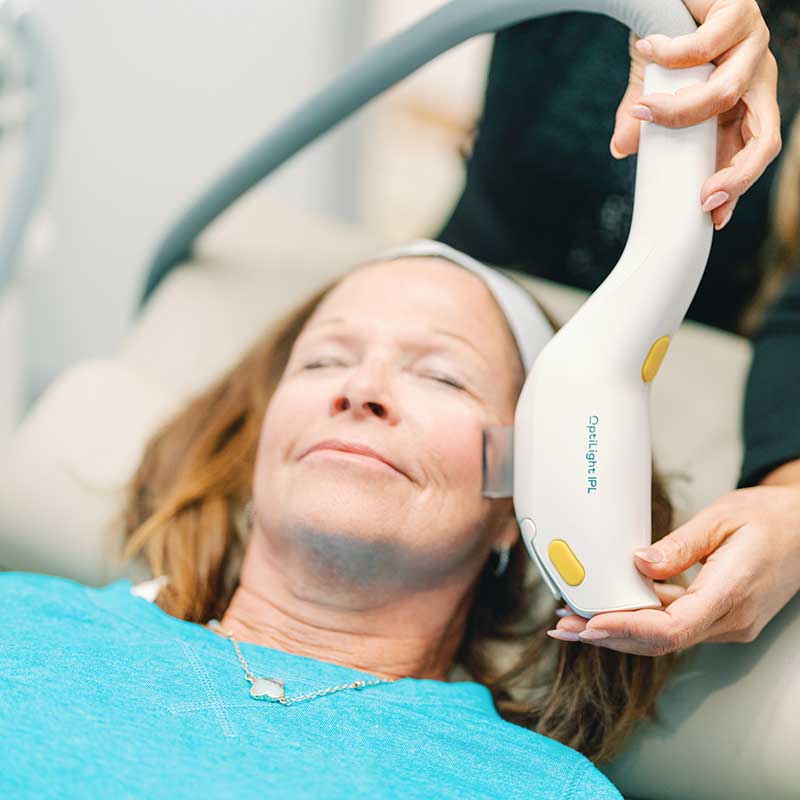
OptiLight by Lumenis helps treat MGD by gently stimulating the meibomian glands, helping them to release the natural oils needed to lubricate the eyes. We also offer meibomian gland expression as one of our treatment options.
Managing inflammation to treat dry eye
Effectively managing inflammation is key to treating dry eye and ocular surface disease. We focus on identifying the specific inflammatory causes of dry eye in each patient to provide targeted treatment. Our advanced technology, including OptiLight by Lumenis, allows us to directly address inflammation and stimulate proper gland function, helping to restore a healthy tear film and alleviate symptoms.
Schedule a dry eye exam in Orange Beach
Don’t let dry eye syndrome affect your daily life any longer. With our expert guidance and care, you can finally say goodbye to those irritating symptoms and enjoy clear, comfortable vision again. Contact us today to schedule a dry eye exam in Orange Beach, Alabama. Let us help you find relief from dryness, irritation, and discomfort and improve your overall eye health.
Dry Eye Frequently Asked Questions
Can dry eye cause blurry vision?
Absolutely! When the tear film is lacking, the surface of the eye becomes uneven. As light enters, vision can blur because of the irregular surface caused by poor tear volume or quality. Many people with dry eyes say they blink often to clear their vision, experience fluctuations in clarity, notice glare around lights, or have difficulty reading.
Can dry eye cause blindness?
Legal blindness means having vision of 20/200 or worse in the better eye even with the best correction, or a visual field of 20 degrees or less. While severe dry eye can lead to corneal scarring and reduce best-corrected vision, along with other long-term vision and comfort problems, it’s very unlikely to cause blindness.
Can dry eye cause floaters?
Fluctuations in vision or distortions due to poor tear stability or quality are common. Floaters are more likely caused by vitreous opacities that float around inside the eye.
What does dry eye look like?
Sometimes, a patient’s eyes might look perfectly normal to them. During an eye exam, special imaging is used to check tear volume and stability, test corneal nerve sensitivity, assess eyelid appearance and gland function, examine the ocular surface for cellular damage, and consider systemic and lifestyle factors that could cause dry eye.
Can dry eye cause eye pain?
The cornea is packed with nerves, and when tear volume or quality is poor, it can lead to discomfort. This pain often feels like burning, grittiness, scratchiness, or a foreign body sensation.
Over time, severe dry eye can reduce nerve sensitivity, so some people may not feel pain even though they have the condition, as the nerves stop working properly due to ongoing exposure and inflammation. This is known as neurotrophic keratitis and can cause scarring and vision loss. Protecting corneal nerves is crucial since they signal tear production and help maintain corneal health.
Can dry eye cause double vision?
Some patients will report double vision that clears with blinking and can be associated with dry eye.
Can dry eye cause eye twitching?
Twitching happens when smooth muscles fire inappropriately, often linked to fatigue, stress, and dehydration. Dry eyes can add to stress and fatigue, while dehydration is a common cause of dry eyes. Taking steps to manage dry eyes can help lower the chances of experiencing eye twitching.
Can dry eye be cured?
There is no cure for dry eye. Managing underlying causes for poor tear quality can greatly improve quality of life. Ongoing management of dry eye can prevent worsening over time and preserve ocular health and function.
Can dry eye cause light sensitivity?
Glare and light sensitivity are common symptoms of dry eye.
Can dry eye cause redness?
Yes! Chronic exposure and inflammation can lead to redness in the eyes. Many people use over-the-counter eye drops to relieve dry eye symptoms, but most contain preservatives or additives that can harm the ocular surface and shouldn’t be used regularly. In fact, most drops marketed to “get the red out” can actually make eyes appear redder over time. Properly treating dry eye issues can help reduce redness in the long run.
Can dry eye affect your vision?
Absolutely! The tear film is critical for vision quality.
Can dry eye cause styes?
A stye is a common term for an eyelid infection. The eyelid has a gland called the meibomian gland, which releases a thin, clear oil that forms the outer layer of tears. This layer is essential for keeping tears smooth and stable. When the eyelid becomes inflamed, these glands can get blocked, making a stye more likely and also contributing to dry eye.
Can dry eye affect only one eye?
Sometimes, especially after an injury or surgery to just one eye, dry eye can affect both eyes but be noticeably worse in one than the other.
Are dry eyes itchy?
Itching is a common symptom of dry eyes.
What causes dry eye after LASIK surgery?
Refractive surgeries usually damage the corneal nerves. Corneal nerve sensitivity is important for the stimulation of tear production from the lacrimal gland.